
From paddy rice cultivated in our irrigated paddies to fully processed and packaged milled rice — every product meets the highest quality standards for Nigerian wholesale and institutional markets.
Three distinct product lines, each serving different market segments within Nigeria's rice value chain.
Irrigated lowland paddy rice cultivated under controlled agronomic conditions with certified seed, structured irrigation, and mechanised harvest operations.
Parboiled, dried, milled, graded, and packaged milled rice in 50kg bags. Sold directly to wholesale buyers, distributors, and institutional clients.
Rice bran, husk, and broken rice — retained and sold as secondary revenue streams to animal feed manufacturers, fuel producers, and food processors.
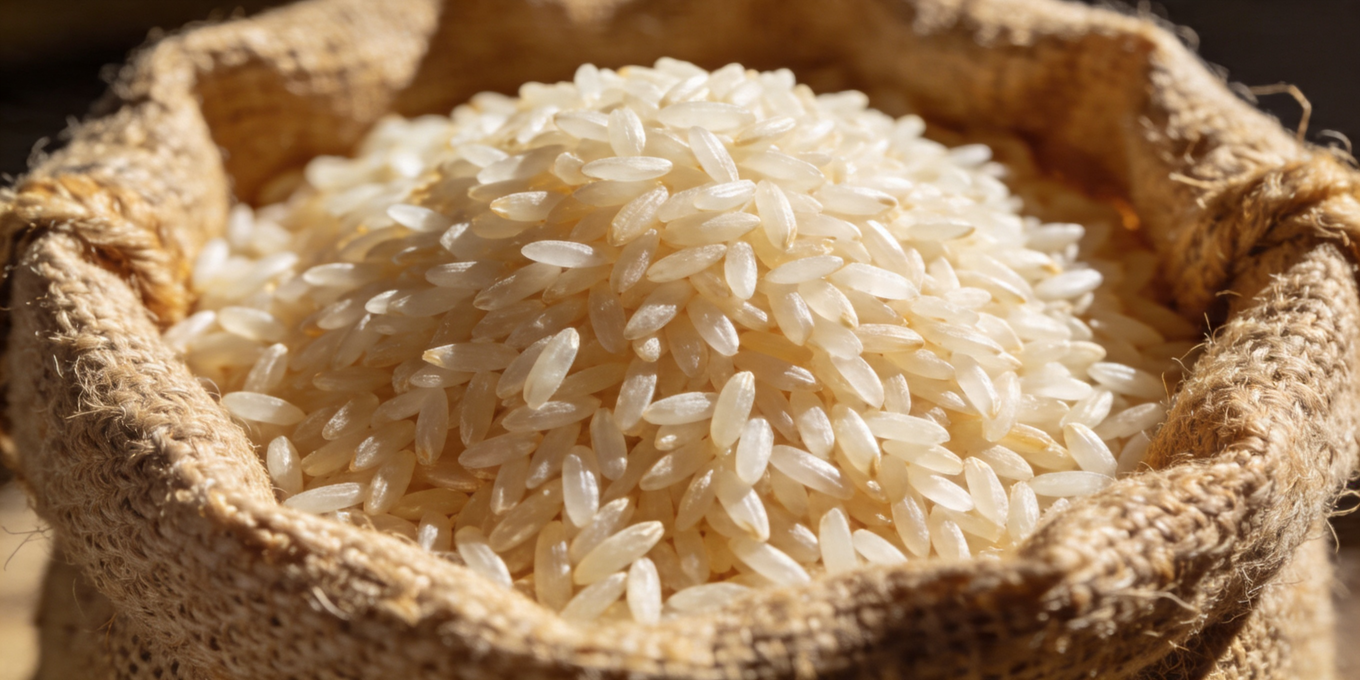
Our flagship product — polished, graded milled rice produced through an integrated parboiling, drying, milling and packaging process. Sold in standardised 50kg bags with full batch traceability, allowing institutional buyers and distributors to certify origin and quality.
Pricing is set at ₦47,500 per 50kg bag in Year 1, growing at 3% per annum — conservative relative to prevailing domestic wholesale benchmarks. All production is assumed sold annually, reflecting strong southern Nigeria demand conditions.
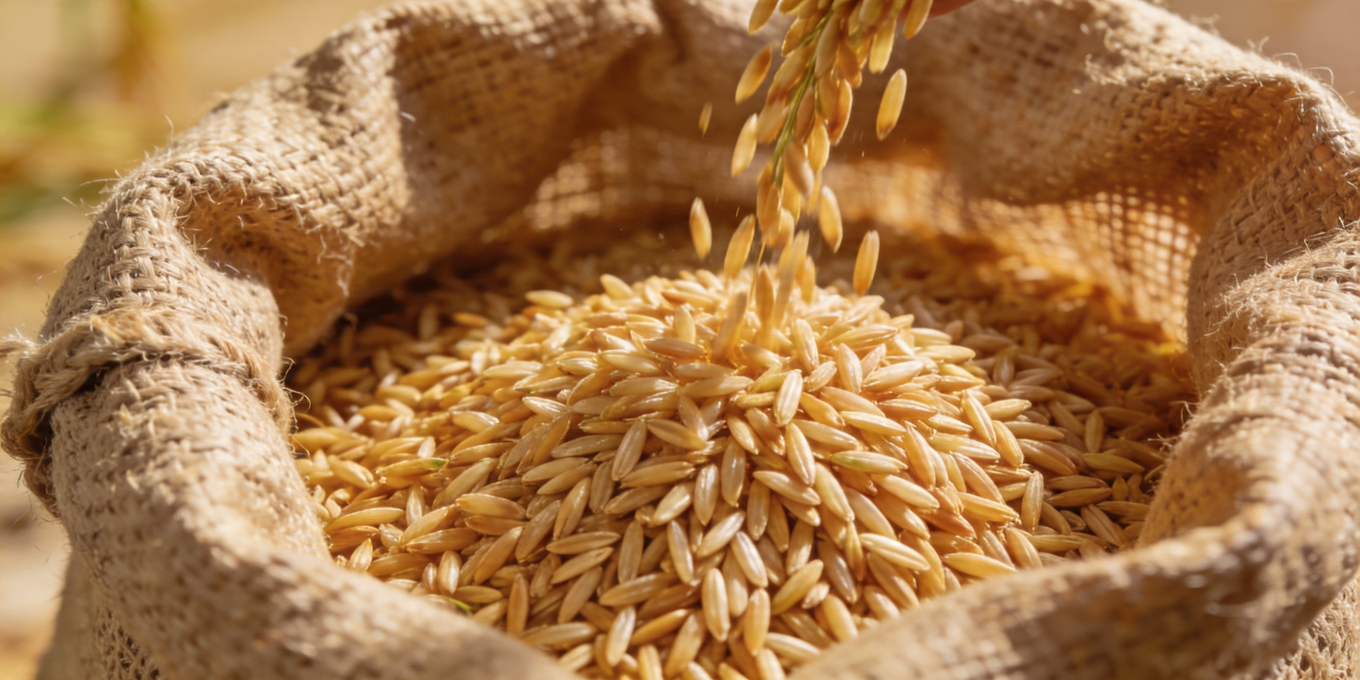
Our paddy rice is cultivated on controlled irrigated paddies in Torugbene, Delta State — leveraging the natural hydrology of the Niger Delta floodplain for two full cropping cycles per year. Certified improved seed varieties are used throughout, with uniform agronomic protocols across all cooperative member plots.
Farmgate prices begin at ₦224,889 per tonne in Year 1, rising with input cost inflation. All paddy flows directly to the cooperative aggregation system and central milling facility — eliminating price-volatile informal trading channels.
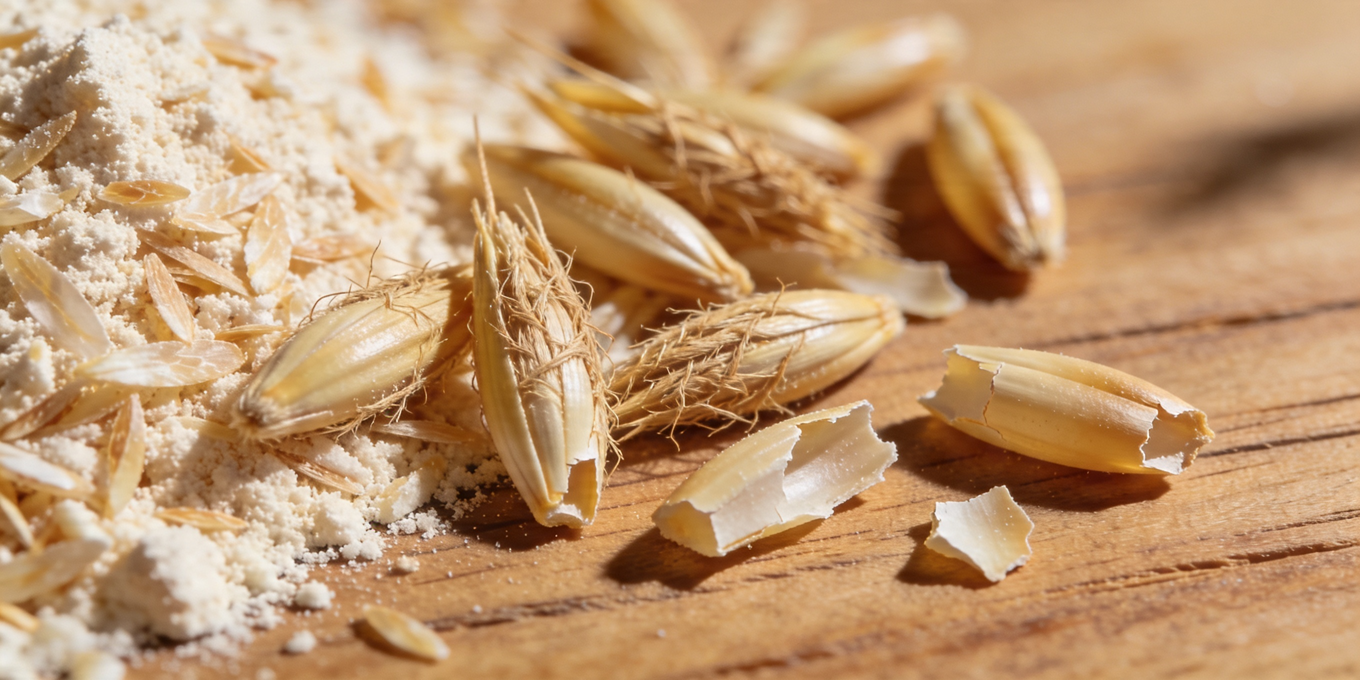
The milling process generates three commercially valuable by-products: rice bran, rice husk, and broken rice. Rather than treating these as waste, Tantita Rice Farm markets each stream to appropriate secondary buyers — adding revenue and reducing environmental impact.
Six precision-controlled stages transform freshly harvested paddy into premium milled rice — every step engineered for yield, quality, and traceability.
Mechanical combine harvesting at optimal grain moisture (20–22%) across cooperative paddy plots. Produce is immediately transported to centralised aggregation points to minimise field losses and maintain grain integrity.
All paddy is weighed on certified scales at aggregation hubs. Moisture levels are tested and recorded, and cooperative farmers are paid at pre-agreed farmgate prices — eliminating middlemen price volatility and ensuring prompt settlement.
Paddy is soaked, then steam-parboiled in pressurised vessels. This gelatinises the starch inside the grain — improving nutritional value, reducing breakage during milling, and extending shelf life of the final milled product.
Parboiled paddy is mechanically dried in continuous-flow dryers, reducing moisture to a stable 14%. This precise moisture level is critical for milling efficiency, dust-free operation, and safe long-term storage without spoilage or mycotoxin risk.
Dried paddy passes through the dehusker, whitener, and polisher in sequence. At 65% milling recovery, husk and bran are separated and directed to secondary markets. Only whole, Grade A grains proceed to the grading and packaging lines.
Milled rice passes through gravity tables to remove any remaining broken grains and impurities. Each production lot is batch-coded for full traceability, then machine-filled into NAFDAC-compliant 50kg bags — ready for immediate wholesale dispatch.
All products processed, packaged and labelled in compliance with Nigeria's National Agency for Food and Drug Administration and Control standards for domestically processed rice.
Regulatory CompliantHazard Analysis and Critical Control Points protocols are embedded across the milling process — from paddy intake through drying, milling, and packaging — to ensure food safety at every stage.
HACCP CertifiedPaddy dried to 14% moisture content before milling. Milled rice stored under controlled humidity to prevent spoilage and maintain shelf life targets for wholesale distribution.
14% Moisture ControlledGravity table separation removes broken grains, stones, and impurities. Only Grade A whole milled grains are packaged in primary 50kg bags — ensuring consistent quality across all batches.
Grade A GradedEach production batch is linked to cooperative member supply lots, harvest dates, and processing runs — enabling complete traceability from farm plot to buyer warehouse for any quality review.
100% TraceableRegular soil and water quality testing monitors for hydrocarbon and heavy metal contamination risks specific to the Niger Delta environment — protecting both yield quality and consumer safety.
Environmental MonitoredBase case pricing assumptions — conservative relative to prevailing domestic wholesale benchmarks with 3% annual growth.
| Product | Year 1 Price | Year 3 Price | Year 5 Price | Growth Rate | Unit |
|---|---|---|---|---|---|
| Milled Rice (50kg bag) | ₦47,500 | ₦50,369 | ₦53,430 | +3% p.a. | Per 50kg bag |
| Milled Rice (per tonne) | ₦950,000 | ₦1,007,385 | ₦1,068,600 | +3% p.a. | Per tonne |
| Paddy Rice (farmgate) | ₦224,889 | ~₦238,600 | ~₦253,000 | +3% p.a. | Per tonne |
| Rice Bran | Market rate | Market rate | Market rate | Market-linked | Per tonne |
| Rice Husk | Market rate | Market rate | Market rate | Market-linked | Per tonne |
Targeting the structurally deficit southern Nigerian rice market — where local supply shortages create strong, sustained demand for domestically milled rice.
South-South Nigeria — where high rice consumption and limited local production create premium conditions for locally milled, competitively priced rice.
Large rice traders and market distributors purchasing in bulk (full bags to full truckloads) for onward distribution to urban retail markets across the Niger Delta.
Primary channelStructured distribution partners with cold chains and logistics networks that extend product reach into secondary towns and urban peripheries of Delta, Rivers and Bayelsa.
Growth channelGovernment schools, hospital kitchens, military feeding programmes, and large corporate canteens requiring consistent forward supply contracts with quality documentation.
Strategic channelRice-based food manufacturers purchasing broken rice, bran, and bulk milled rice as primary inputs — providing stable off-take agreements and secondary revenue diversification.
By-products channel